
Shantou Food Guide: What to Eat on Your First Visit
If you're planning a trip to Guangdong and love discovering local food, Shantou should definitely be on your list. As someone who grew up in Chaoshan, I'd like to share the foods I genuinely recommend to first-time visitors. Everything in this guide comes from my own experience rather than information copied from the internet.
Shantou is a coastal city in eastern Guangdong Province, which means fresh seafood has always been an important part of daily life here. Every morning, fishing boats return to the harbor with freshly caught seafood, and many restaurants serve fish, shrimp, crabs, and shellfish that arrived only a few hours earlier.
Besides seafood, Shantou is also famous for its fresh beef, handmade beef balls, and traditional Chaoshan braised goose. If you're only visiting for a short time, these are the three types of food you shouldn't miss.
- Fresh Chaoshan Beef
- Braised Goose
- Fresh Seafood
Why Is Chaoshan Beef So Famous?
For many visitors, the biggest surprise in Shantou is just how fresh the beef tastes.
Unlike many cities where beef is transported chilled or frozen, many restaurants in Shantou receive freshly slaughtered beef directly from local slaughterhouses every day. The difference becomes obvious from the very first bite.
For local people, the quality of beef isn't judged by expensive cuts or fancy presentation. What matters most is how quickly the meat reaches the table after slaughter. The shorter the time, the fresher and more tender the beef will be.
Fresh beef has a naturally sweet flavor, a tender texture, and requires very little seasoning. If the meat feels tough or chewy, locals would already consider it less fresh, even if it has only been sitting for several hours.
Chaoshan beef hot pot is the signature dish of Shantou. Different cuts are served separately, including tenderloin, chuck flap, hanging tender, brisket, and beautifully marbled beef, allowing diners to experience the unique texture of each cut.
One of the best-known restaurants is Xinghua Beef Hot Pot, located close to the local slaughterhouse. Because of its reputation for serving exceptionally fresh beef, it's often crowded during lunch and dinner.
That said, I don't think you have to chase famous restaurants. In my experience, many local beef hot pot restaurants serve excellent quality beef. As long as the restaurant is busy with local customers, you're unlikely to be disappointed.
Travel Tip: Visit before noon or after 8:00 PM if you'd like to avoid the longest queues.
Chaoshan Beef Balls
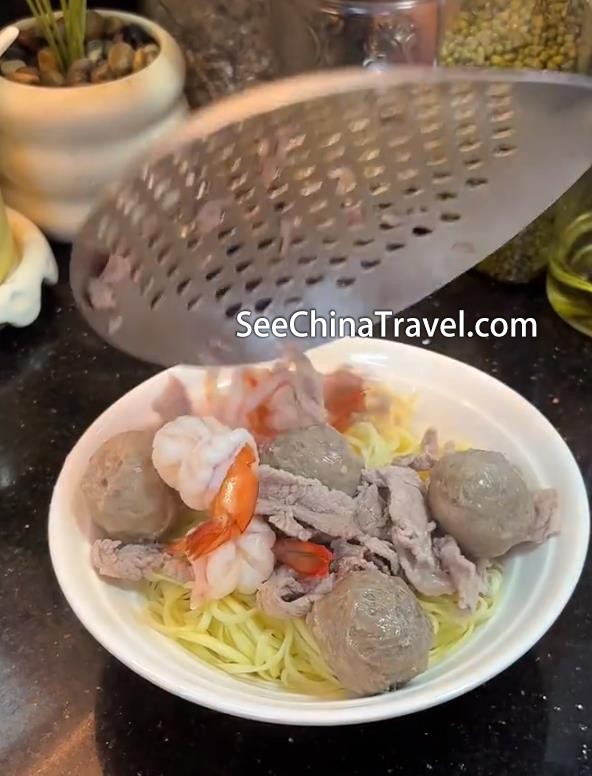
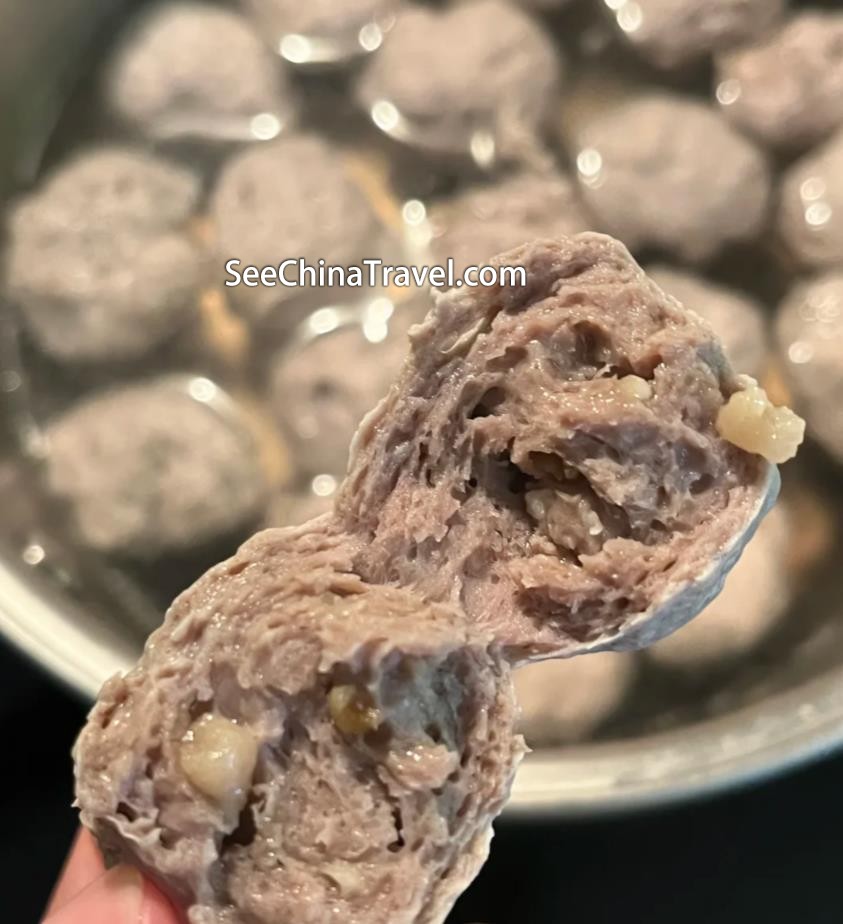
No visit to Shantou is complete without trying authentic Chaoshan beef balls. They're one of the city's most famous local specialties and one of the most popular food souvenirs visitors take home.
Traditional beef balls are made by repeatedly pounding fresh beef into a smooth paste before shaping it into balls. This old-fashioned technique creates a firm, springy texture that machine-made beef balls simply can't match.
You'll usually find two varieties:
- Beef Balls – Made entirely from lean beef, offering a rich, pure beef flavor.
- Beef Tendon Balls – Mixed with small pieces of tendon, giving them a chewier and more elastic texture.
If it's your first time in Shantou, I recommend trying both. They taste quite different, and many locals have their own favorite.
Besides hot pot restaurants, many local noodle shops also serve beef ball noodle soup with fresh beef slices and flat rice noodles. It's one of the most common breakfasts in Shantou and a great way to experience everyday local life.
Travel Tip: If you'd like to bring beef balls home, many well-known shops offer vacuum-packed versions that are much easier to transport.
Chaoshan Braised Goose
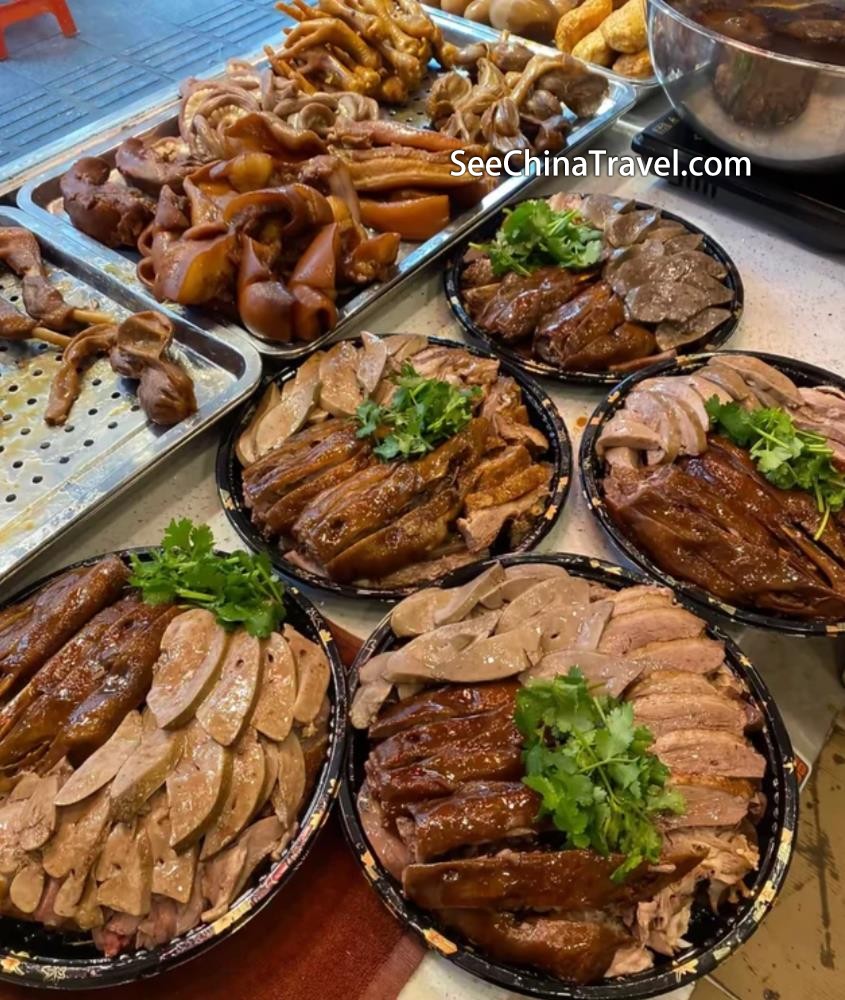
Another dish you shouldn't miss is Chaoshan braised goose, one of the most iconic foods in the region.
Unlike roasted goose found in Hong Kong-style Cantonese cuisine, Chaoshan goose is slowly braised in a rich master stock made from soy sauce and a blend of Chinese spices. The result is tender meat packed with deep, aromatic flavor.
Braised goose isn't just everyday food—it's an important part of Chaoshan culture. During festivals, family gatherings, weddings, and ancestor worship ceremonies, a whole braised goose is often served as a symbol of celebration and respect.
Restaurants usually serve goose chopped into bite-sized pieces, accompanied by a simple dipping sauce made with garlic and vinegar. The sauce enhances the richness of the meat without overpowering its natural flavor.
If you're feeling adventurous, you can also try goose liver, goose wings, or goose web. Goose liver is especially popular among locals for its smooth, creamy texture.
Travel Tip: Portions can be quite generous, so if you're traveling alone or as a couple, ordering a small portion leaves room to sample more local dishes.
Fresh Seafood
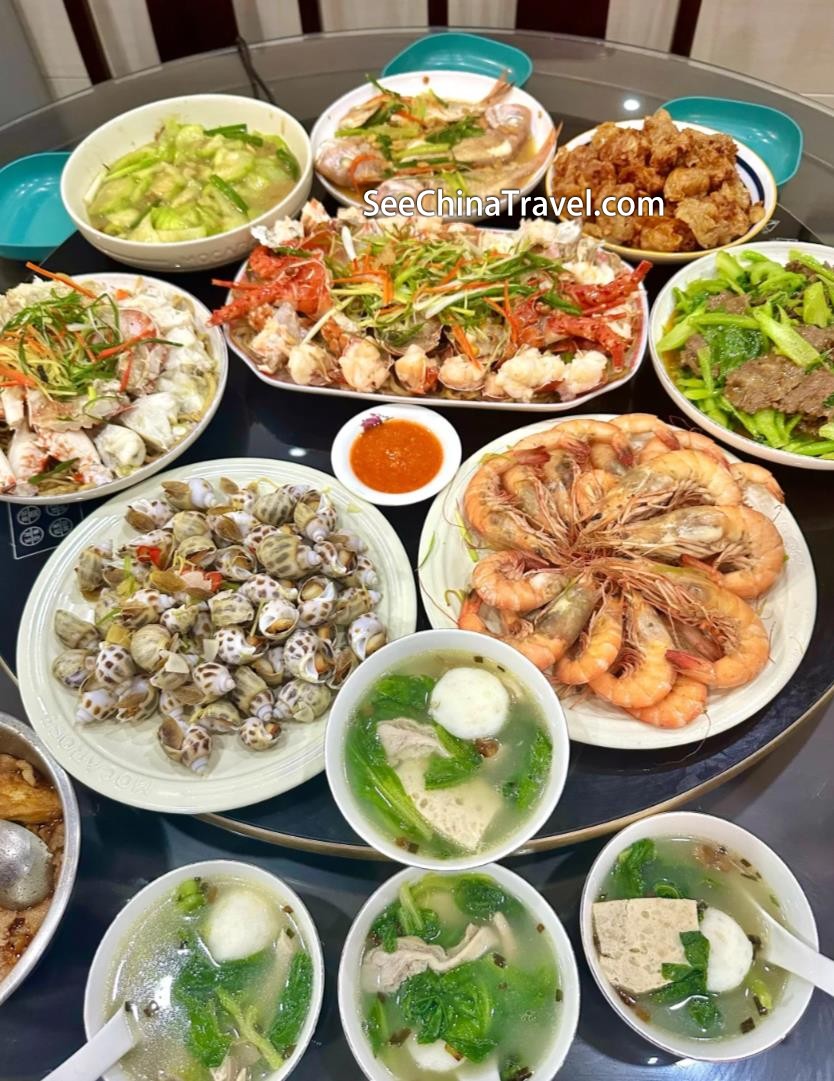
As a coastal city, Shantou is blessed with an incredible variety of fresh seafood throughout the year.
Every morning, fishing boats return with freshly caught fish, shrimp, crabs, oysters, squid, and shellfish, which are delivered directly to local markets and restaurants. Freshness is one of the biggest reasons people travel here specifically for seafood.
Local diners have very high standards. If a restaurant serves seafood that isn't fresh, word spreads quickly, and locals simply stop coming. That's why most long-established seafood restaurants take freshness very seriously.
You'll find countless seafood restaurants serving steamed fish, stir-fried clams, garlic prawns, salt-and-pepper mantis shrimp, oysters, and many seasonal specialties.
One piece of advice for first-time visitors: always confirm the price before placing your order, especially for seafood sold at market price. Ask the staff to weigh the seafood first and tell you the total cost before it's cooked.
Local Tip: Don't judge a restaurant by its appearance. Some of the best seafood restaurants in Shantou look surprisingly simple from the outside but are packed with local families every evening. If locals are willing to queue, that's usually a much better sign than a viral recommendation on social media.
Must-Try Foods in Shantou
If you're visiting Shantou for the first time and only have a day or two, these are the local specialties I recommend putting at the top of your list.
- Chaoshan Beef Hot Pot – The city's signature dish, famous for its incredibly fresh, hand-sliced beef.
- Chaoshan Beef Balls – Handmade, springy, and packed with beef flavor. They're also one of the most popular local souvenirs.
- Braised Goose – A traditional Chaoshan specialty that has been enjoyed for generations.
- Fresh Seafood – Daily catches from the South China Sea make Shantou one of Guangdong's best seafood destinations.
- Kway Teow Soup (Guo Tiao Tang) – A comforting bowl of rice noodles with fresh beef or seafood that's commonly eaten for breakfast.
- Oyster Omelette (O Jian) – Crispy on the outside and soft inside, one of the region's favorite street foods.
- Chaoshan Rice Rolls – Different from Cantonese cheung fun, with its own unique fillings and sauce.
- Raw Marinated Seafood – One of Chaoshan's most famous delicacies. If you're adventurous, it's definitely worth trying at a reputable restaurant.
If I had to choose only three dishes, they would be fresh beef hot pot, braised goose, and seafood. These best represent the flavors and food culture of Shantou.
Local Dining Tips
As someone who grew up in Chaoshan, here are a few practical tips that may help you enjoy your food experience even more.
- Don't focus only on famous restaurants. Many family-run local eateries serve equally excellent food.
- Busy restaurants filled with local customers are usually a better choice than places that are only popular on social media.
- For seafood sold at market price, always confirm the weight and total cost before ordering.
- Visit beef hot pot restaurants outside peak lunch and dinner hours if you want to avoid long queues.
- Leave some room in your stomach. Shantou has far more delicious food than most visitors expect!
Frequently Asked Questions
How many days should I spend in Shantou?
I recommend staying at least two to three days. This gives you enough time to enjoy the city's famous food, explore local neighborhoods, and visit nearby attractions such as Nan'ao Island.
What is the most famous food in Shantou?
Chaoshan beef hot pot is probably the city's most famous dish, followed closely by handmade beef balls, braised goose, and fresh seafood.
Is seafood expensive in Shantou?
Compared with many other Chinese cities, seafood in Shantou is generally very good value because of its coastal location. Prices vary by season and species, so it's always a good idea to check the price before ordering.
Do I need to visit famous restaurants?
Not necessarily. Some of the best meals I've had were in small local restaurants with no online popularity at all. In Shantou, following the locals is often the best strategy.
Final Thoughts
Many travelers first hear about Shantou because of its famous beef hot pot, but the city's appeal goes far beyond a single dish.
Fresh seafood, traditional braised goose, handmade beef balls, lively food markets, and the warm hospitality of local people all make Shantou one of the best food destinations in southern China.
As a local, I believe the best way to experience Shantou isn't by rushing from one famous restaurant to another. Instead, slow down, explore the neighborhoods, and enjoy the places where local families eat every day. That's where you'll discover the true flavors of Chaoshan.
If you're planning a food trip to Guangdong, I highly recommend including Shantou in your itinerary. Whether you're visiting for the seafood, the beef hot pot, or simply to experience Chaoshan culture, you'll almost certainly leave with unforgettable memories—and probably a much fuller stomach.
What's Next?
In my next guide, I'll share a complete Nan'ao Island Travel Guide, including the best scenic spots, recommended driving routes, beautiful viewpoints, local seafood restaurants, and practical travel tips to help you plan the perfect island getaway.
Updated:2026-07-24 15:58:39




Is transportation convenient between Shantou Railway Station and downtown?
Reply: Multiple bus lines connect the station to the old town and tourist districts.
Can I visit Shantou Old Port and Shantou Small Park freely?
Reply: The old town and Small Park are open for free walking sightseeing all year round.
What seafood souvenirs can I buy in Shantou?
Reply: Dried shrimp, seaweed and fish balls are popular seafood products for tourists.
Where can I watch sunrise on Nanao Island?
Reply: Qingao Bay is the most famous sunrise viewing spot on Nanao Island.
How many days should I stay to visit Shantou and Nanao Island?
Reply: Two full days are recommended: one day in urban Shantou, one day on Nanao Island.
Is there English service for foreign tourists in Shantou scenic spots?
Reply: Large scenic areas have basic English signs. You can use translation apps for communication.
What traditional Chaoshan snacks should I try in Shantou old town?
Reply: Chaoshan rice noodle roll, taro cake and almond tea are classic local snacks.
What is the best season to visit Nanao Island beach?
Reply: May to October is suitable for seaside travel. Avoid typhoon weather.
How to reach Nanao Island from Shantou city?
Reply: You can take regular tourist buses or drive across Nanao Bridge to the island.
Where can I taste authentic Chaoshan beef hot pot in Shantou?
Reply: Many popular beef hot pot restaurants are distributed along the old downtown area.