
How I got there and where I stayed for maximum comfort
The high-speed rail to Quanzhou Station is the most convenient; a 20-minute bus ride takes you into the old city. Jinjiang Airport is also nearby.
I stayed in the Licheng West Street—Bell Tower—Zhongshan Road area, which is within walking distance of most of the key points. Avoid the noisiest trendy guesthouses on the main street of West Street; choose one a five-minute walk down a back alley—quiet, with red brick walls, and you can even hear people talking from the direction of the Bell Tower at night. Don't rely too much on public transport in the old city; "little white cars" (bikes) are 2 yuan each, and walking and shared electric scooters are the most convenient options.
Day 1: The Ancient City: Wake Up to the East and West Pagodas I went to Kaiyuan Temple as soon as it opened in the morning to avoid the crowds. It's not just about the East and West Pagodas; the mulberry trees, the Ganlu Ordination Platform, and the flying apsaras musicians in the Mahavira Hall help you understand why it's a core World Heritage site.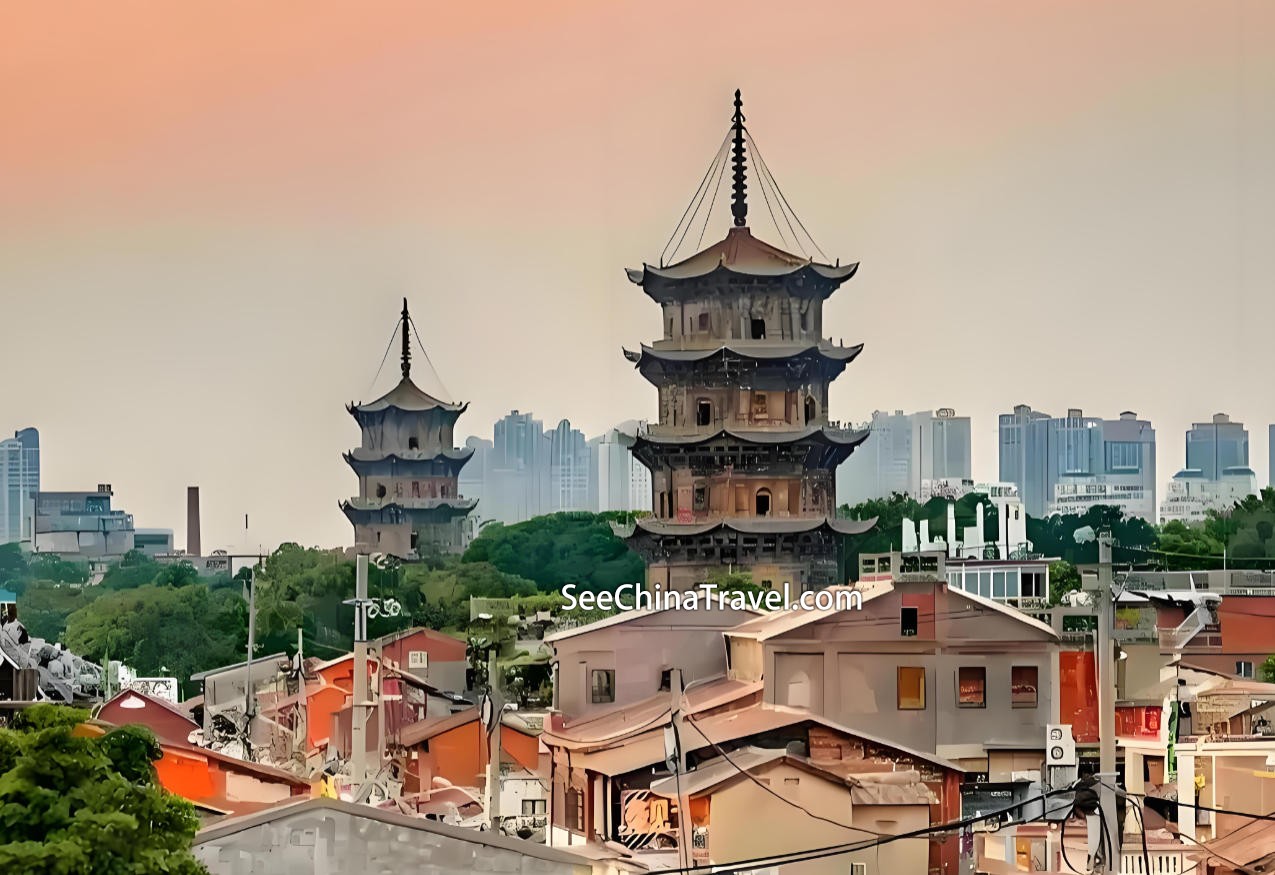
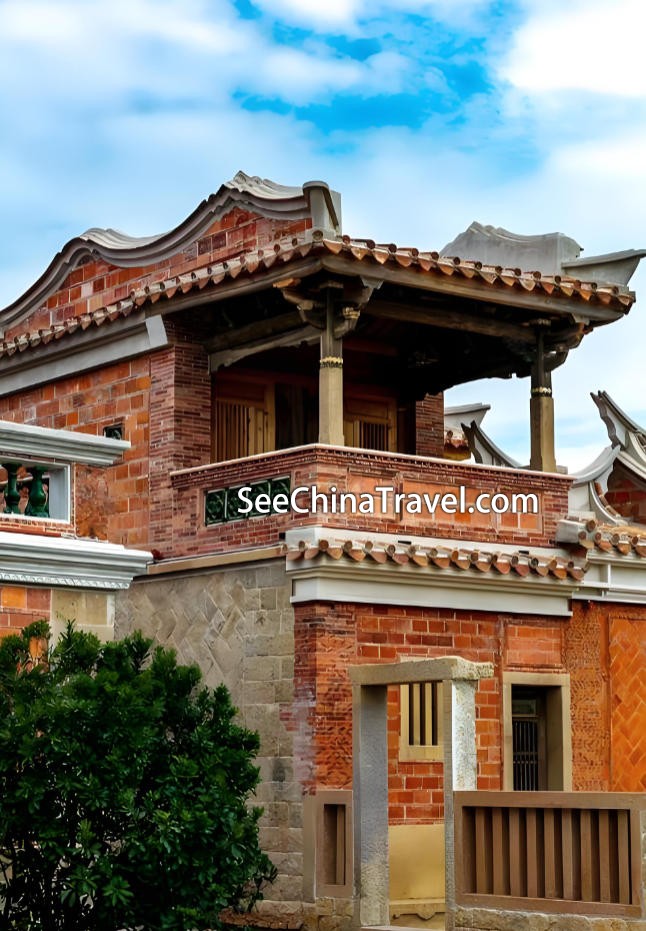
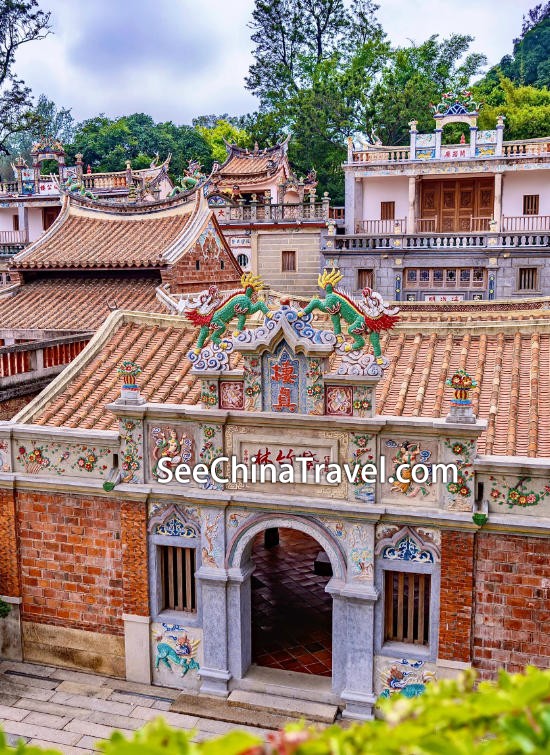
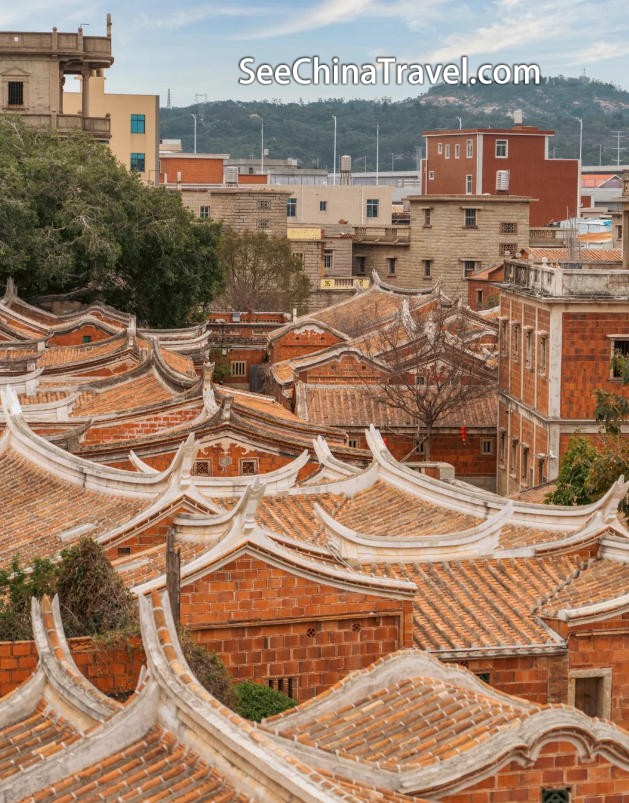
West Street is right outside. The main street is bustling, but don't just wander around it. I explored Xiangfeng Lane, Jinyu Lane, Jiuguanyi Lane, and Sanchao Lane—red brick houses, swallowtail roofs, and old ladies picking vegetables at their doorsteps—that's what Quanzhou is all about. Taking photos of the twin pagodas from the rooftop is fine, but you don't have to pay to go there; street corners, walls, and the area opposite the Bell Tower all offer great shots.

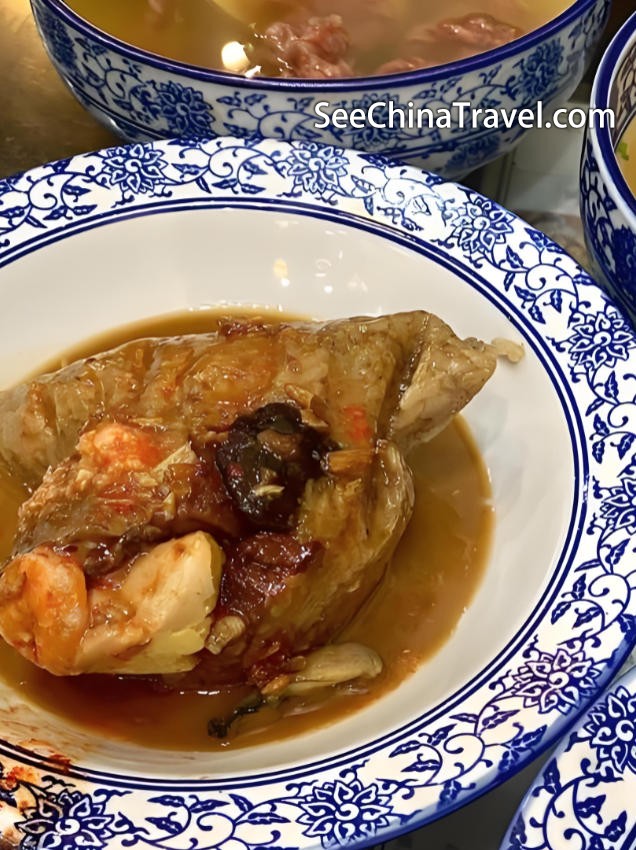
For lunch, I had Shuimen Guozai rice noodle soup with vinegar pork, fried dough sticks, and large intestines—it was cooked to perfection. In the afternoon, I had Hou Apo's braised pork rice dumplings with peanut sauce and sweet chili sauce, served with a bowl of beef soup. Then I walked along the Bell Tower—Zhongshan Road arcades—Tumen Street: Qingjing Mosque is quite unique (entrance fee is a few dollars, be mindful of your attire), the adjacent Guan Yue Temple's gold and red porcelain sculptures seem to explode in the light, and the incense smoke is overwhelming; the Confucian Temple is quiet and worth a visit.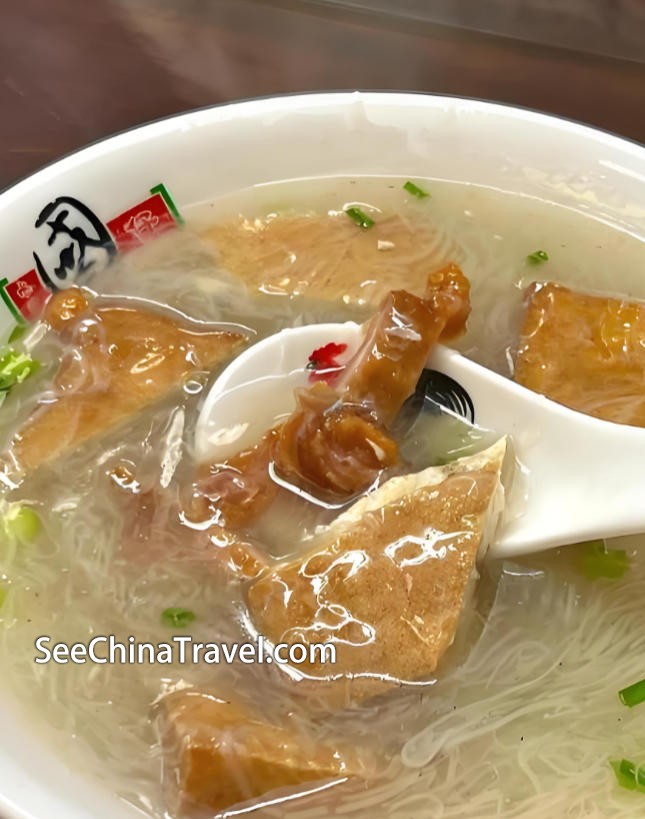

Day 2: Sea and Village: Hairpins, Ancient Bridge, Sunset
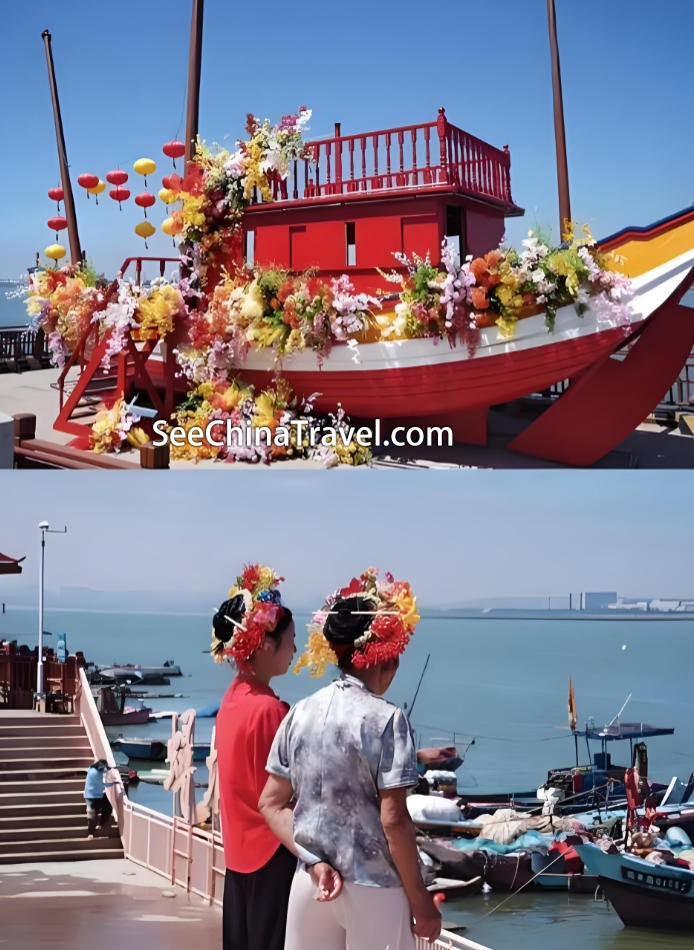
In the morning, go to Xunpu Village. Don't believe the touts who quote exorbitant prices. A regular hairpin and clothing set will cost around tens of dollars. Real flowers look better in photos. Oyster shell houses, banyan trees, and fishing boats on the beach make for beautiful photos even without grand scenes. Try to go early or late in the afternoon; the midday sun is intense and there are queues.
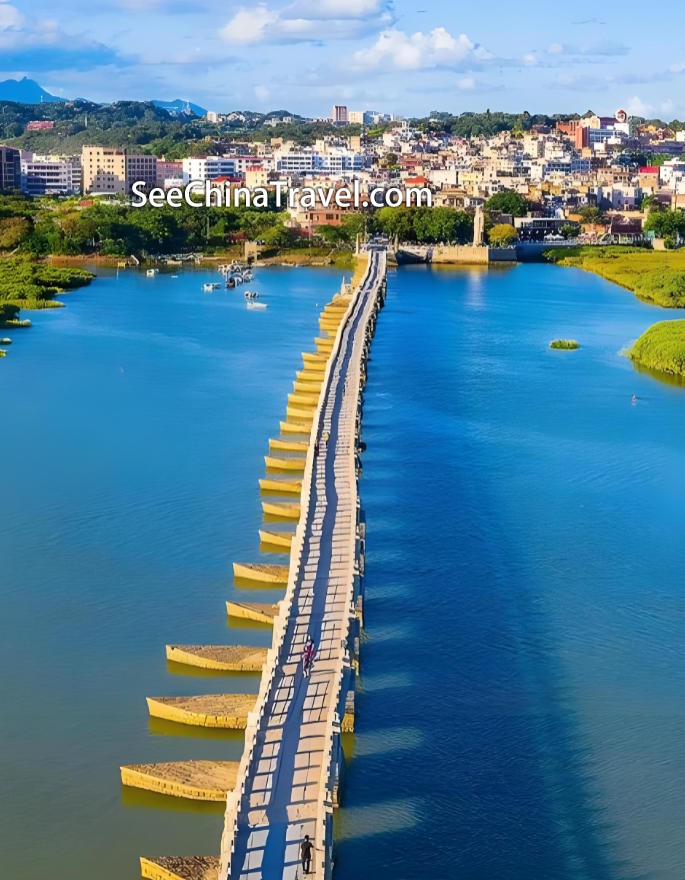
Luoyang Bridge in the afternoon, free admission, a Song Dynasty stone bridge spanning the sea. I specifically chose low tide and evening; the bridge is long, the river is wide, and the wind is strong; walking on the stone slabs felt like walking through a textbook. Along the way, you can see the ancient street south of the bridge and the Cai Xiang Ancestral Hall.
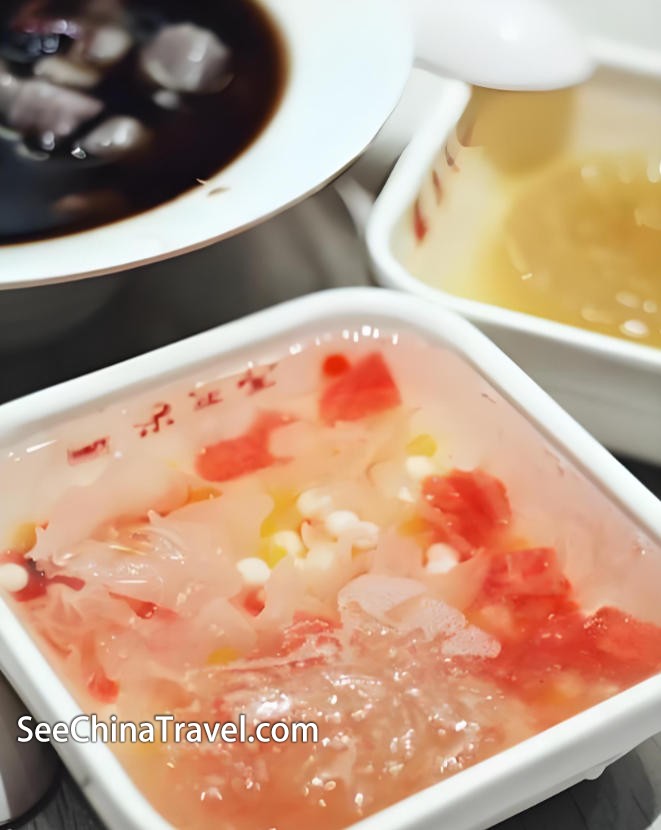
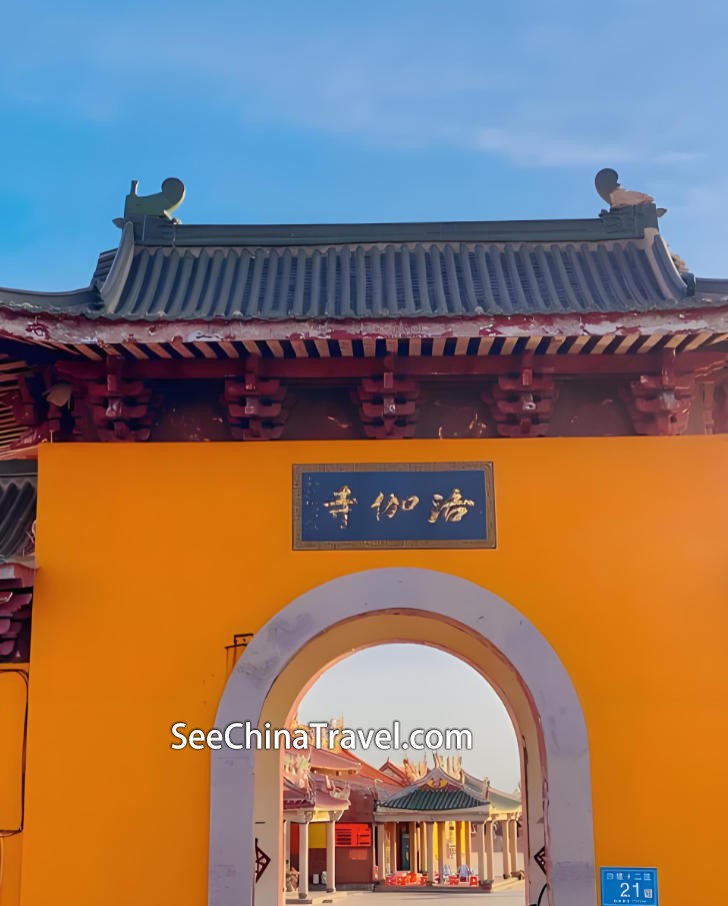
If you still have energy, head back to town for Bingzhengtang seaweed jelly/four-fruit soup to finish off your trip; if you want to visit a seaside temple, try Shishi Luojia Temple + Hongta Bay. At high tide, "there's a temple on the sea," but be sure to allow enough time for transportation that day and don't try to cram everything into the same route.

Day 3: Mountain, Museum, Overseas Chinese Hometown (Choose according to physical condition)
I like to spend Qingyuan Mountain in the morning to see Lao Jun Rock and overlook Quanzhou City. The entrance fee is about 70 yuan, and you can save money by taking the sightseeing bus for a part of the trip.
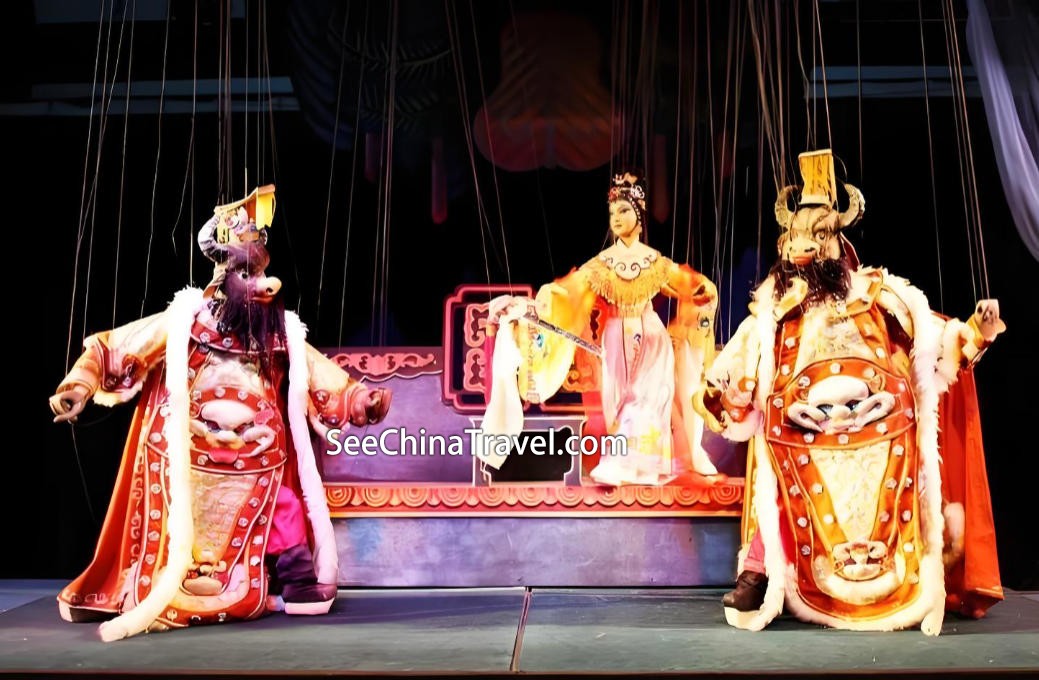
If you don't want to go down the mountain, you can visit the Maritime Silk Road Museum/Intangible Cultural Heritage Museum instead. In the air-conditioned environment, you can learn about Quanzhou's "Maritime Silk Road" in detail, and also learn about puppet shows, lanterns, and folk customs.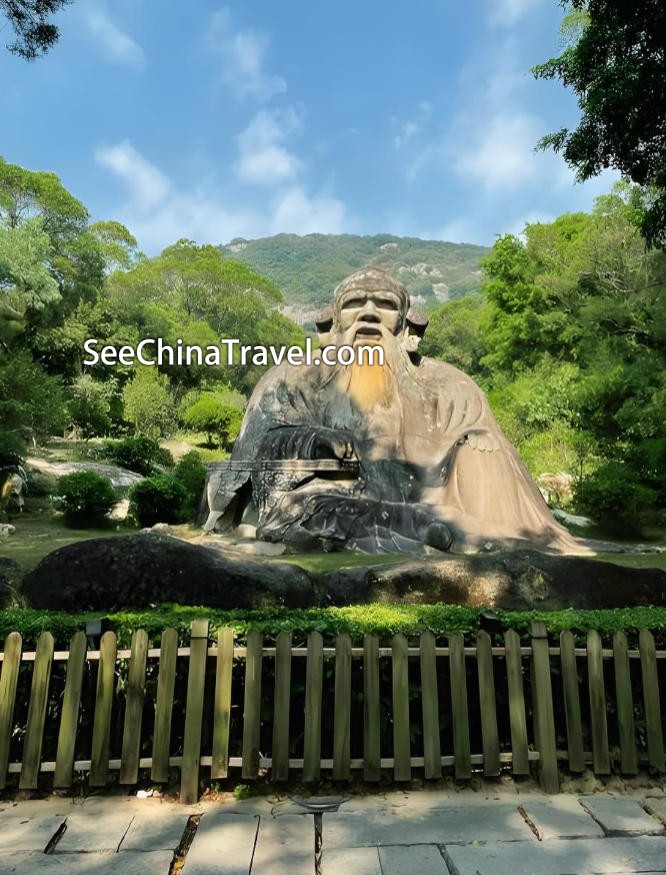
Afternoon: Choose one of two options:
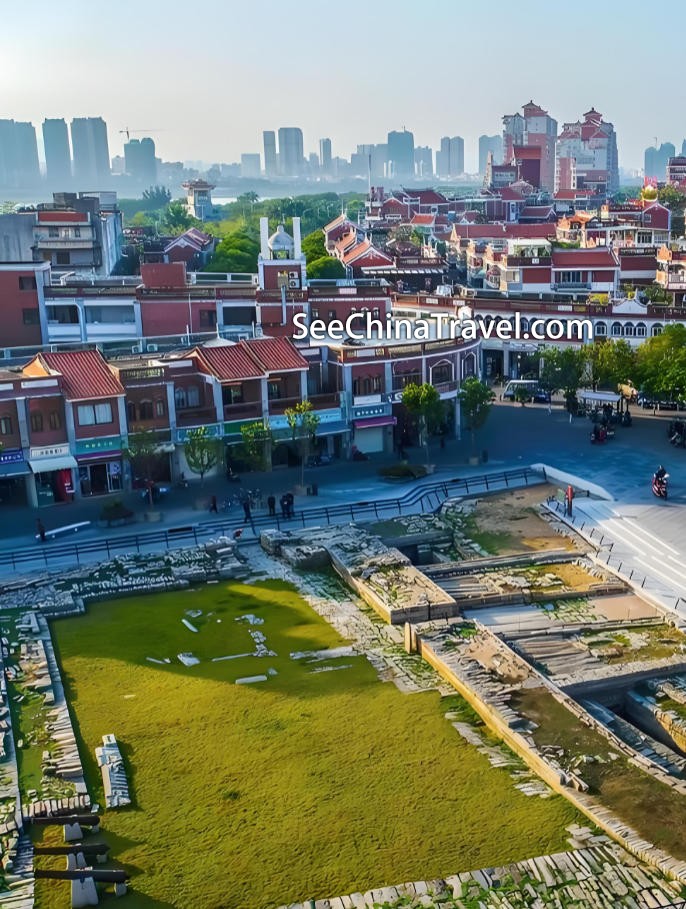
Humanistic Approach: Tianhou Temple – Deji Gate Ruins – Finish off Zhongshan Road, buy mochi, mung bean cakes, and garlic sticks as souvenirs;

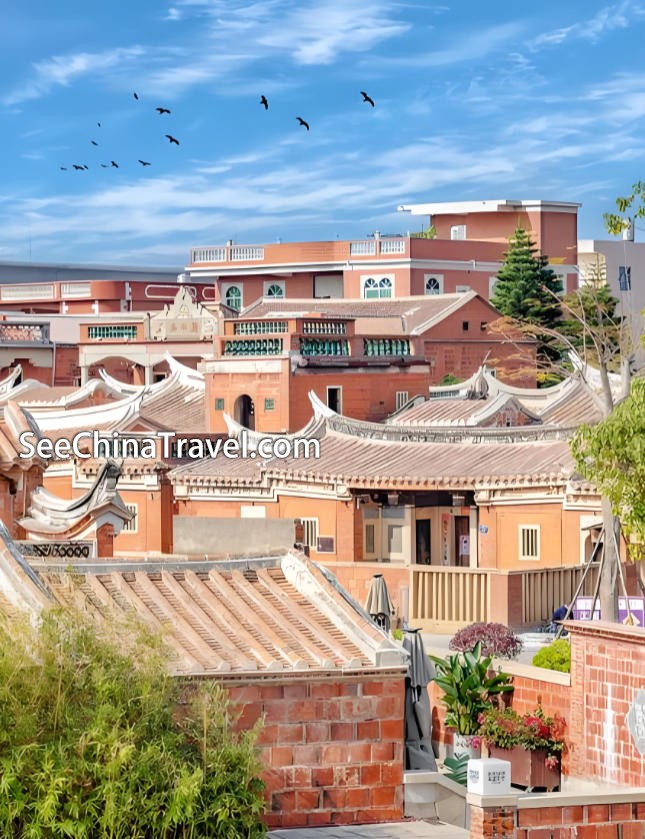
For those from the hometown of overseas Chinese: Go to the traditional village of Wulin in Jinjiang or Wudian City, where you'll find red brick houses, Western-style buildings, and old Nanyang-style houses. Wearing plain colors will make for the best photos.
My list of foods I don't want to delete
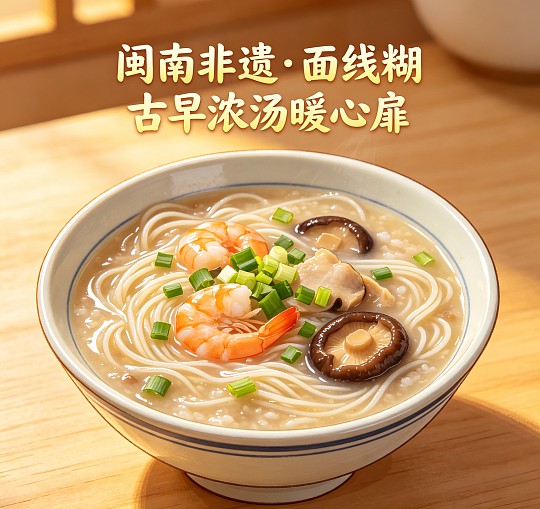
Mianxian soup: Shuimen Guozai, with vinegar pork/large intestine/deep-fried dough sticks
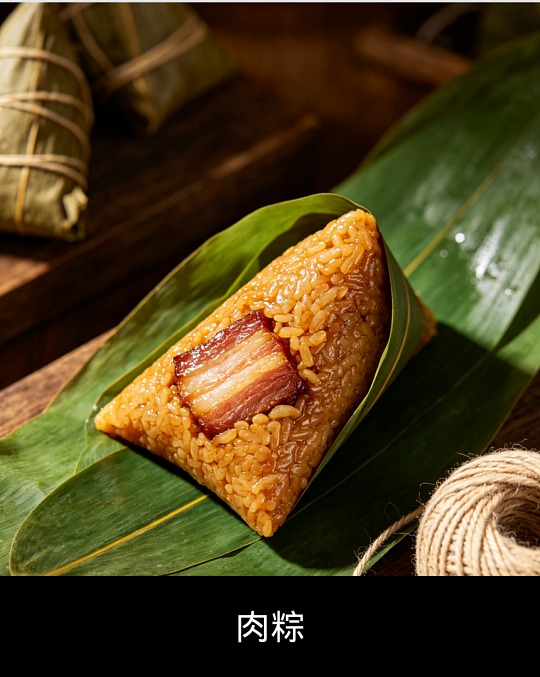
Meat Dumplings: Grandma Hou, Scallop Dumpling + Peanut Sauce
Ginger Duck: Si Dan/Hao Cheng Cai, served with riceSnacks: Ya Fo Runbing (spring roll), Wu's Mochi, Fried Vinegar Pork, Tusu Jelly (order only if you dare), Oyster Omelet
Souvenirs: Mung Bean Cake, Tangerine Peel Cake, Ginger Candy, Sesame Cake, Vacuum-packed Ginger Duck — Don't buy expensive gift boxes on the trendy main street
Avoid the pitfalls (I've actually been there/seen others)
Go to Kaiyuan Temple early; the creative ice cream, cut fruit boxes, and gift boxes on the main street of West Street are overpriced.
In Xunpu, ask: Is the price for hairpins + clothing + makeup the total price? How many photos will be retouched for your travel photoshoot?
Don't go to Luoyang Bridge or Xunpu at noon; Quanzhou summers are scorching hot. Early morning/evening is more comfortable.
The ancient city's cobblestone streets and narrow alleys are a nightmare for high heels; flats are the way to go. Park on the outskirts if you're driving; don't drive into the old city looking for a parking spot.
Ask the price before you enter a seaside food stall; don't haggle over cheap roadside day tours.
Don't step on the thresholds of temples, and don't take flash photos of Buddha statues. At the Guan Yue Temple, it's convenient to pay cash for fortune-telling.
The sentence I most want to tell you
Quanzhou isn't a city you can just "check off"; it's a city that slowly reveals itself if you're willing to stand at the alley entrance for five minutes, watching people burn incense, cook, and see clothes drying behind the swallowtail roof ridges.
The other day, I was on the rooftop of West Street watching the Twin Pagodas turn golden, and an old man next to me, serving tea, said, "That's how it is in Quanzhou," and suddenly I understood Bai Yansong's saying, "Visit at least once in your life."
Updated:2026-09-12 15:40:02
Where can I experience the local tea culture in Quanzhou?
Reply: You can visit the tea houses in Anxi County or join a tea tasting session in the city center.
What is the difference between Quanzhou and other cities in Fujian?
Reply: Quanzhou is known as the starting point of the Maritime Silk Road and has diverse religious sites.
Are there English signs at the Quanzhou Maritime Museum?
Reply: Yes, the museum provides bilingual descriptions for most exhibits related to the Silk Road.
Do I need to book tickets for the Luoyang Bridge in advance?
Reply: No, Luoyang Bridge is an open scenic spot and free to visit for most areas.
What souvenirs represent Quanzhou culture?
Reply: Anxi Tieguanyin tea and Dehua white porcelain are the most famous local souvenirs.
Is it possible to visit both Quanzhou and Xiamen in one weekend?
Reply: Yes, it only takes about 1 hour by high-speed train between the two cities.
Where can I try authentic Minnan cuisine in Quanzhou?
Reply: You can try local dishes like ginger duck and oyster omelet at restaurants in the old town area.
What is the best time to watch the puppet show in Quanzhou?
Reply: Shows usually run in the afternoon and evening at the Puppet Theatre near West Street.
How do I get to the Kaiyuan Temple from Quanzhou Railway Station?
Reply: You can take Bus No. K1 or the subway Line 1 directly to West Street Station.
Is Quanzhou West Street worth visiting for a whole day?
Reply: Yes, West Street is the cultural center with ancient temples, local snacks and unique Minnan architecture.